
Routine Equine Health & Herd Management
Doing the common things uncommonly well
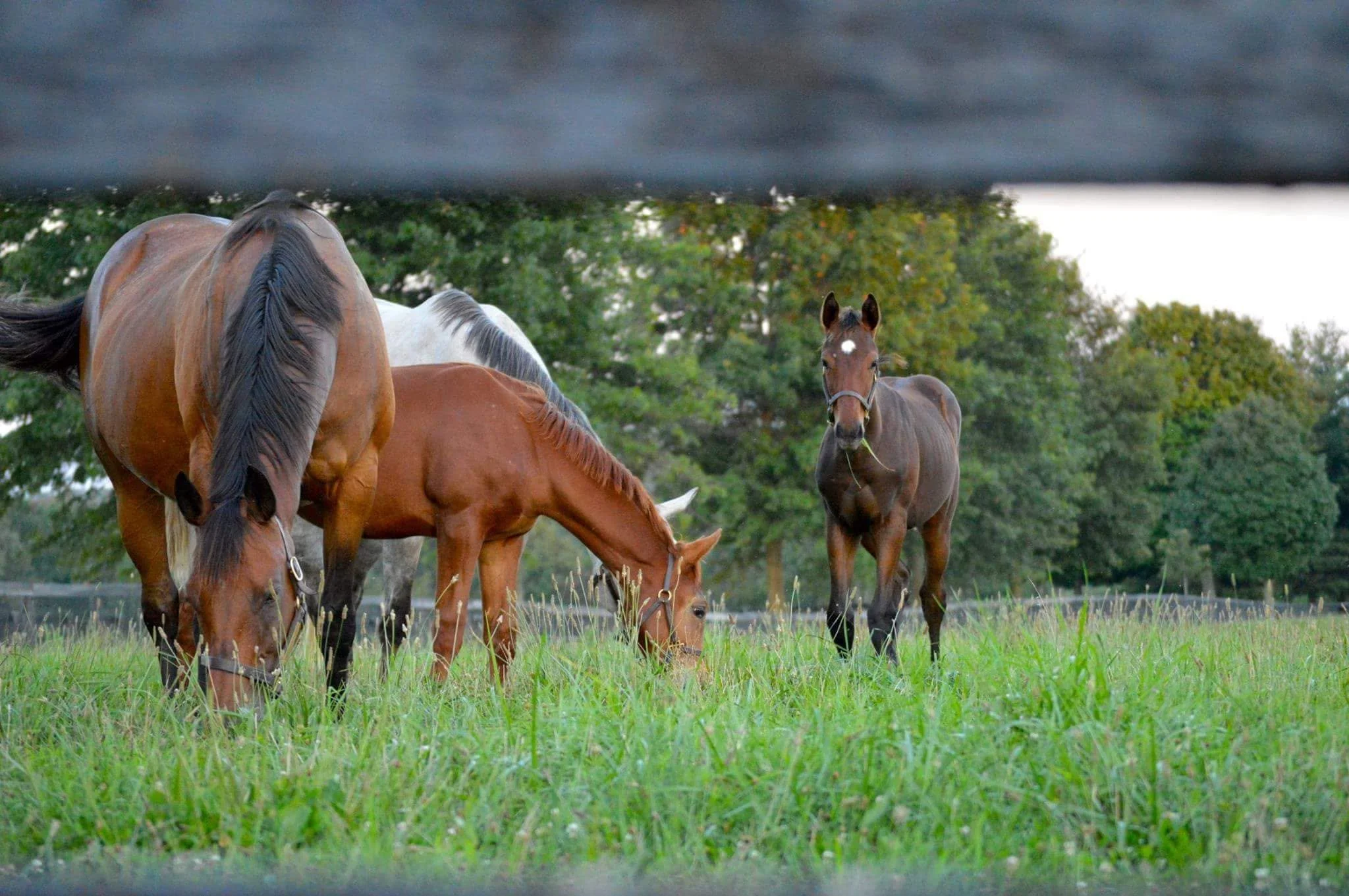
Good equine veterinary care isn't just about what happens when your horse is sick or injured. Routine wellness care gives us the opportunity to identify problems early, maintain your horse's health, and build a plan around the way your horse actually lives and works.
At Bartley Equine Veterinary Services, we provide comprehensive routine veterinary care for horses, ponies, donkeys, and mules throughout Northern Kentucky and Greater Cincinnati. From annual wellness examinations and dental care to vaccinations, blood work, lameness evaluations, and nutrition discussions, we take a proactive approach to keeping your equine partner healthy.
Every horse is different. Their age, breed, discipline, environment, and workload all influence their health needs. Our goal is to understand the individual animal, not simply follow a one-size-fits-all schedule.
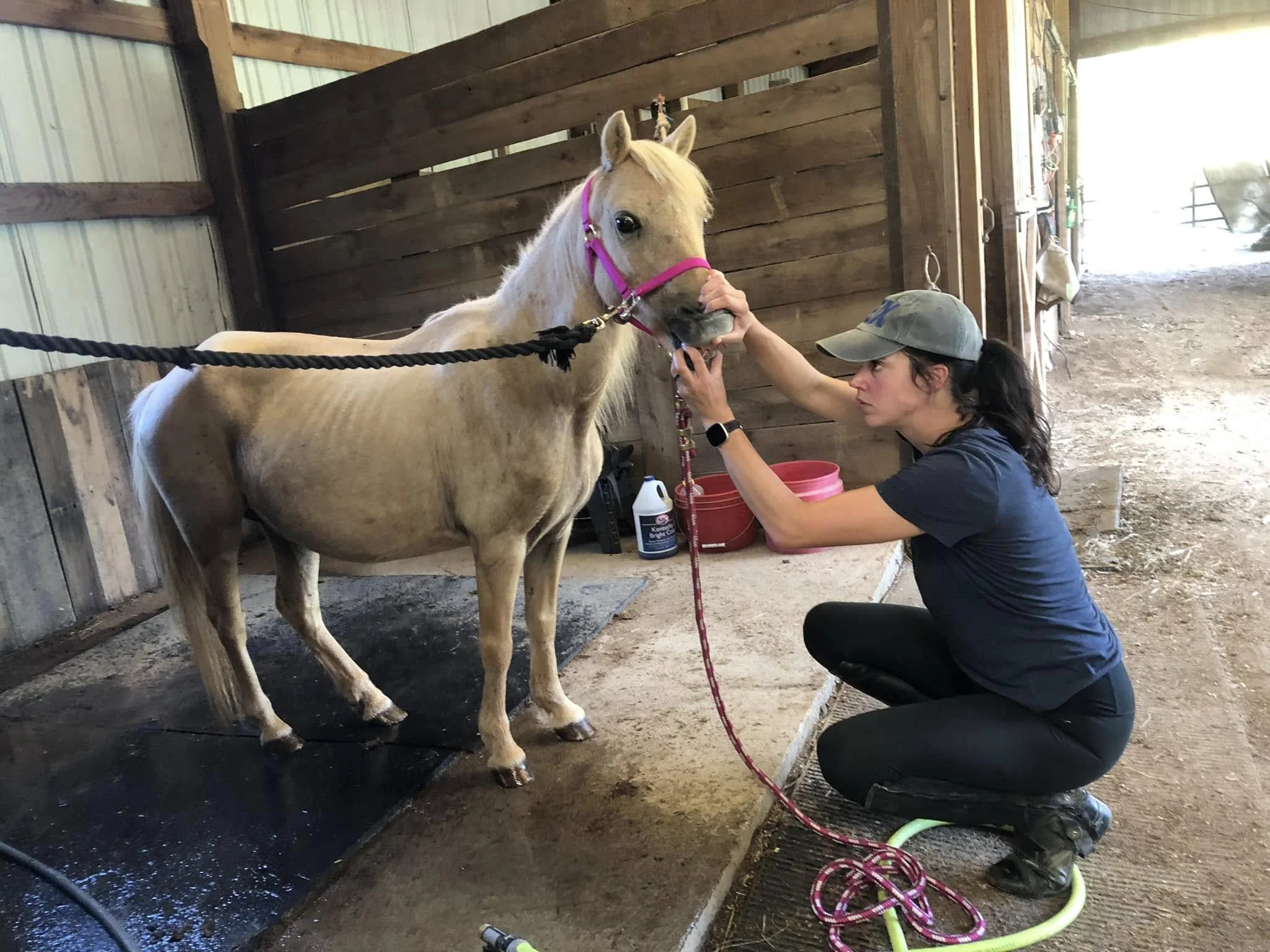
Annual Wellness Exams
A routine veterinary examination is an opportunity to look beyond the obvious.
During a wellness visit, we can evaluate your horse's overall health, discuss changes you've noticed, review preventive care, and identify potential problems before they become more significant.
Depending on your horse's needs, routine care may include:
Physical and wellness examinations
Vaccination planning
Annual dental examinations
Blood work and health screening
Nutrition and weight-management discussions
Skin and coat evaluation
Parasite-management recommendations
Lameness and gait evaluation
Performance-horse assessments
Health certificates and Coggins testing
Preventive care planning
Routine visits also give you an opportunity to ask questions. If you're wondering whether a change in your horse's behavior, weight, movement, appetite, or performance is normal, that's exactly the kind of conversation we want to have.
Dental care
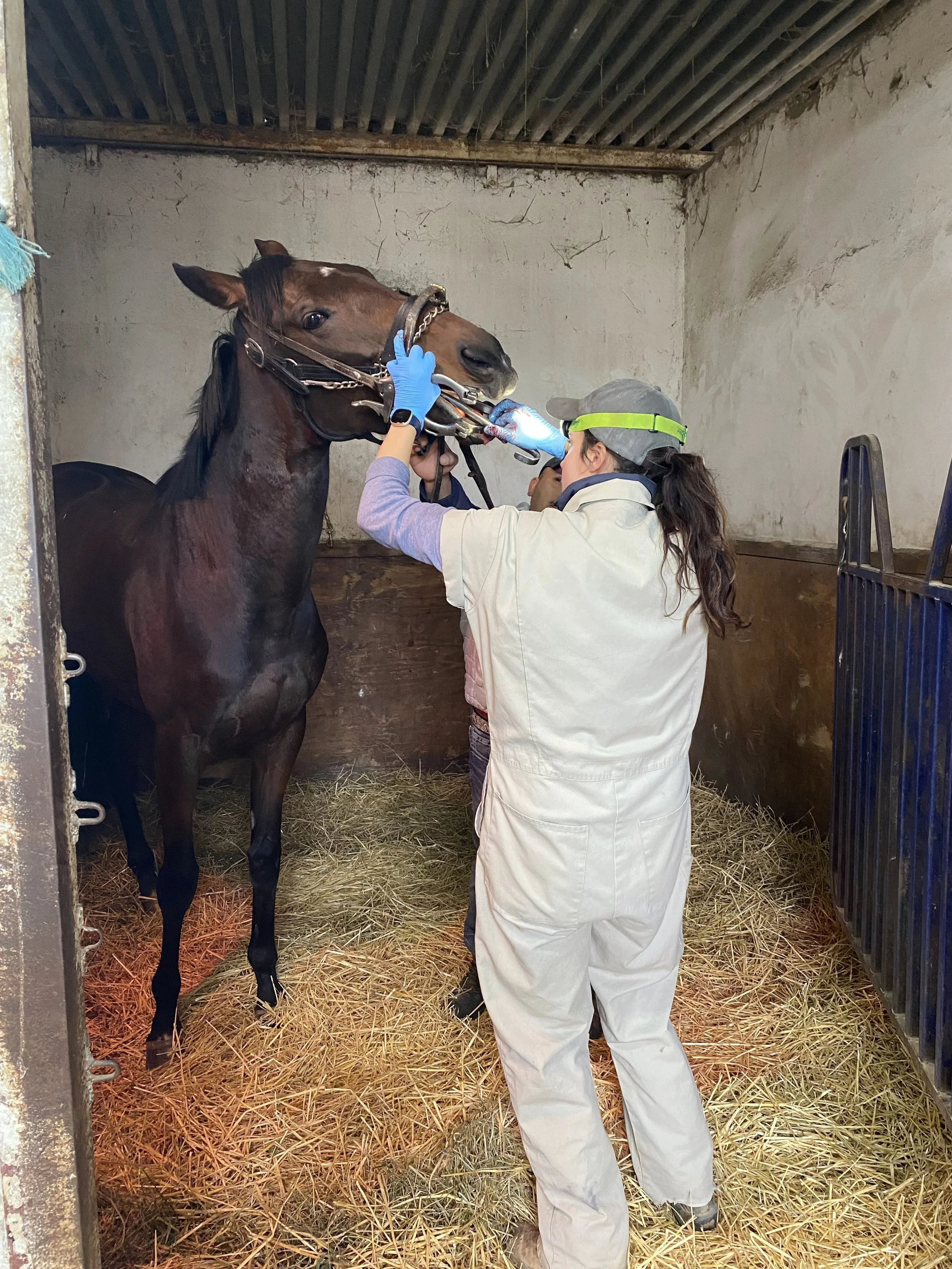
Your horse's teeth don't necessarily need to be floated every year, but they should be examined every year.
A horse's mouth changes throughout its life. Younger horses may experience more rapid changes in their teeth and may require more frequent dental correction. As horses age, tooth eruption slows, and the focus may shift toward monitoring for worn, missing, or otherwise compromised teeth and making sure the remaining teeth continue to function properly.
That's why we recommend an annual dental examination for every horse, with floating or other dental care performed when the examination indicates it is needed.
Regular dental examinations can help identify:
Sharp enamel points
Abnormal tooth wear
Loose or damaged teeth
Missing teeth
Changes in the opposing tooth surfaces
Problems that may affect chewing
Other abnormalities of the mouth
The goal isn't to float teeth simply because a year has passed. It's to examine the mouth regularly and provide the care your horse actually needs.
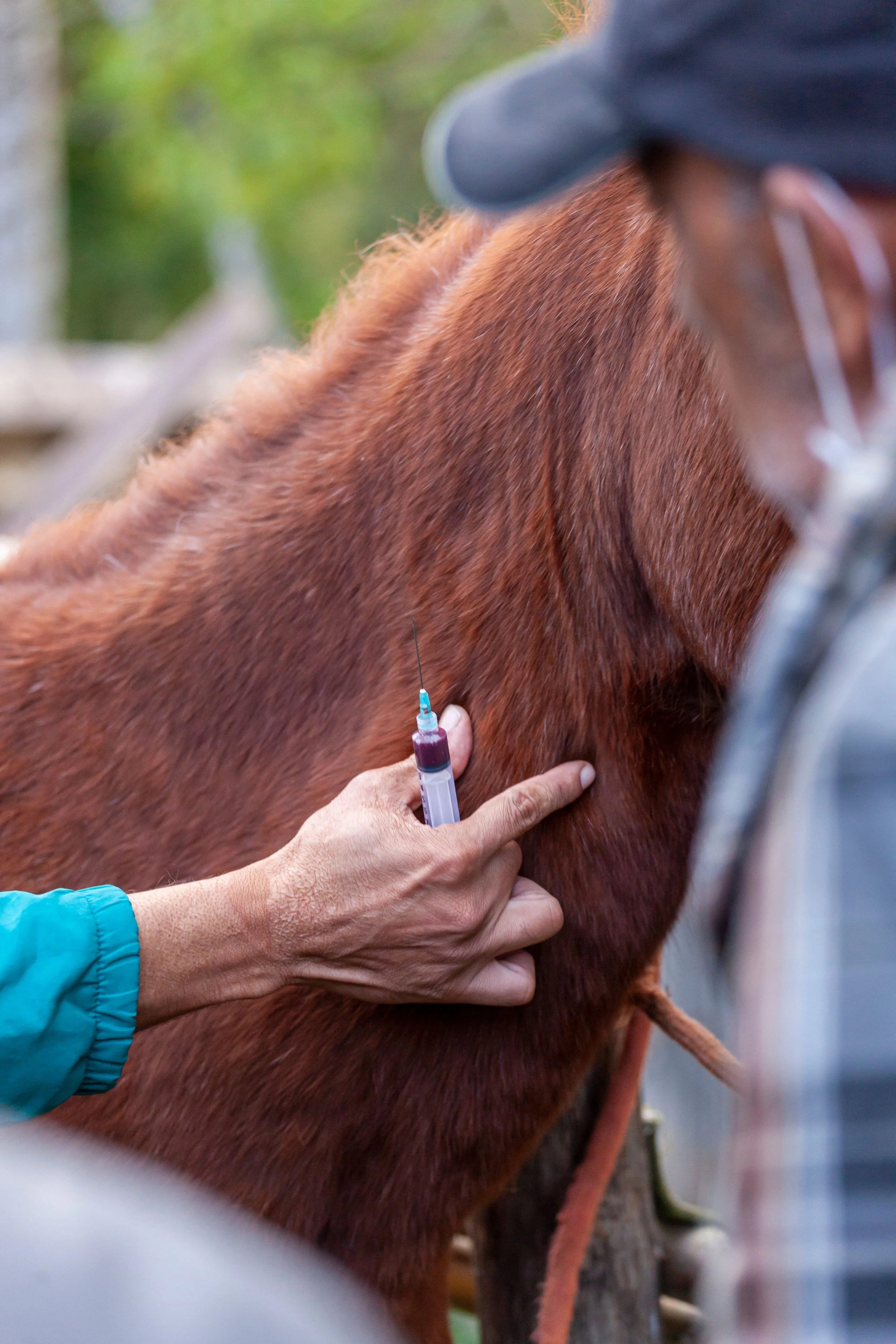
Vaccinations & Preventive Care
Vaccination plans should be based on your horse's individual risk factors, lifestyle, and exposure.
A horse that stays primarily at home has different risks than a horse that regularly travels to shows, competitions, breeding farms, or other facilities.
We can help develop a preventive-care plan based on factors such as:
Travel
Competition and showing
Boarding arrangements
Exposure to other horses
Age
Geographic location
Breeding status
Individual health history
Our goal is to keep preventive care practical and appropriate for your horse, not simply check boxes on a calendar.
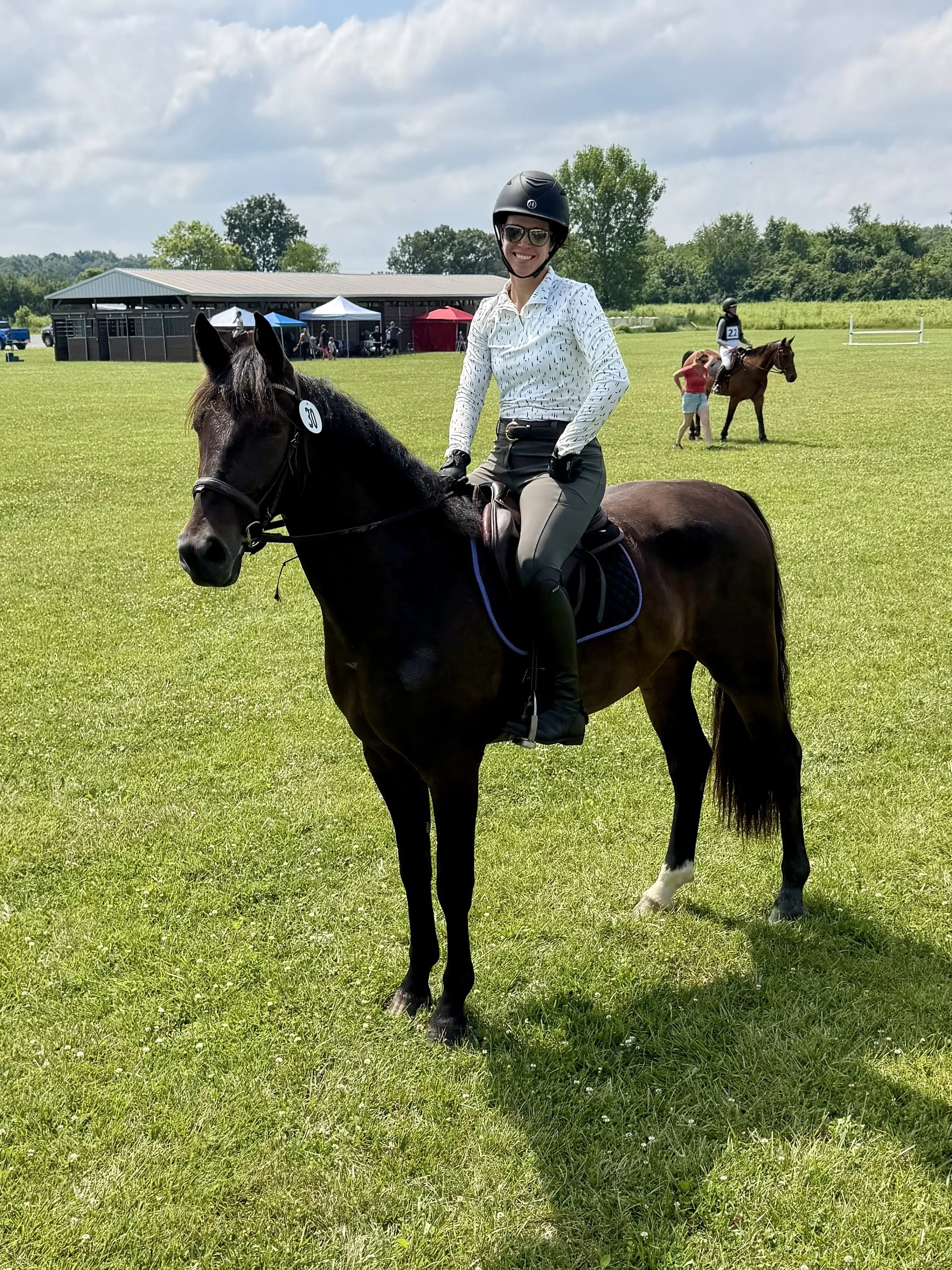
Care tailored to the horse you have
A performance horse, a broodmare, a pasture ornament, and a growing yearling don't have the same veterinary needs. Neither does a barrel horse, a dressage horse, a hunter, a saddleseat horse, or a trail horse.
Your horse's discipline and workload can influence the types of stress placed on their body and the health issues we need to consider. That's why understanding what your horse does matters.
Dr. Bartley brings experience across multiple disciplines, including saddle seat, stock-type, jumping, and dressage horses. That background helps inform the way she approaches each patient as an individual while considering their breed, discipline, workload, age, and goals.
Veterinary school provides a foundation in animal medicine, but caring for and treating horses at a high level requires additional experience and specialized training. As an equine-only practice, BEVS focuses its clinical knowledge and skills on horses and other equids. That specialized focus allows us to understand the unique anatomy, physiology, behavior, diseases, and management considerations that come with equine patients. And our definition of equine care extends beyond horses.
We also care for donkeys, mules, and other equine patients, recognizing that they aren't simply small or unusual horses. Their physiology, anatomy, behavior, and even medication metabolism can differ significantly. That specialized knowledge matters when making decisions about their care.
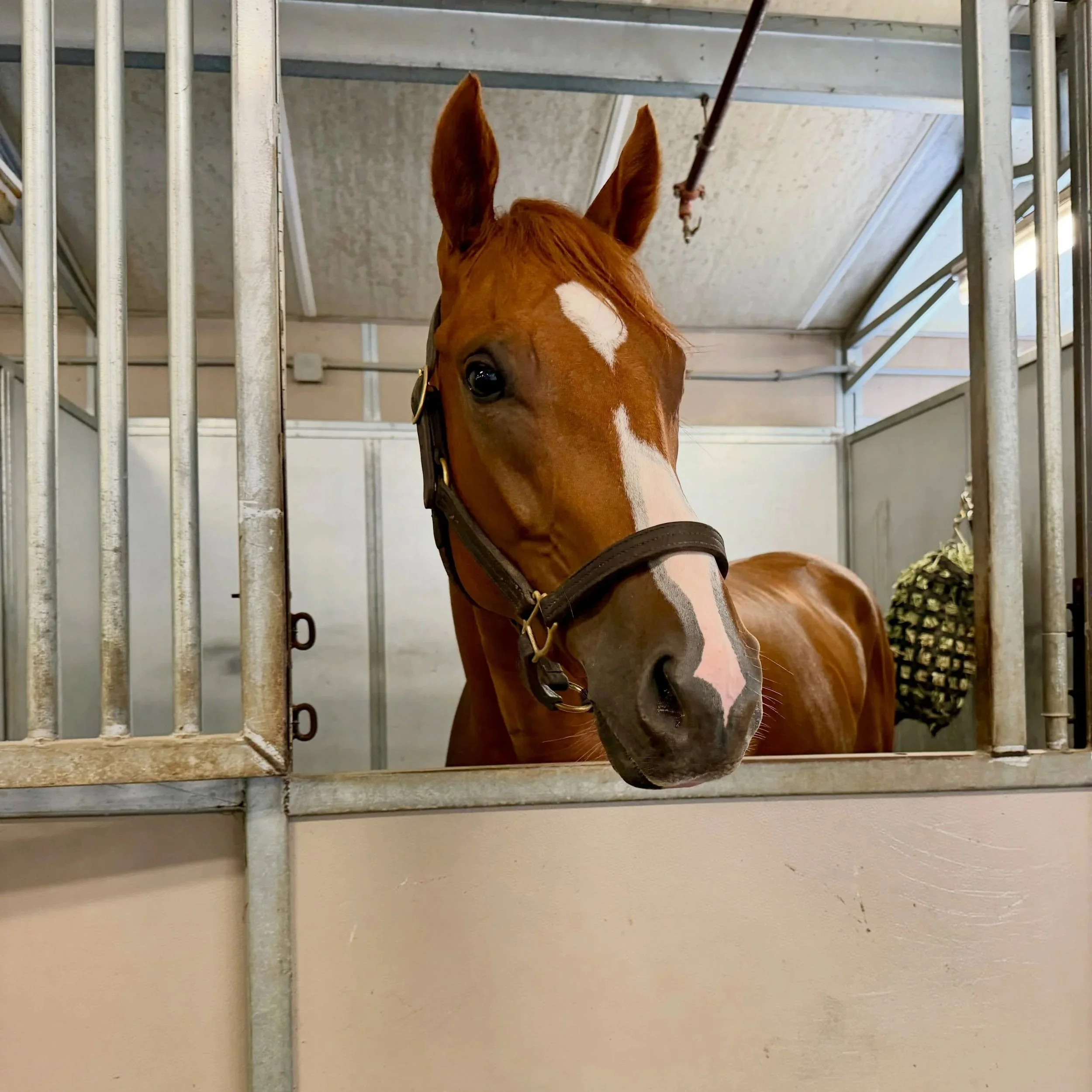
A long-term partnership means we can know your horse’s normal.
The best veterinary relationship isn't built during an emergency. It's built over time.
Regular examinations allow us to get to know your horse, understand what's normal for them, follow changes over time, and work with you to prevent problems whenever possible.
Ready to get started? Give BEVS a call at 859-801-0487 to schedule a visit today.